Category: Making a 1930s Qipao
-
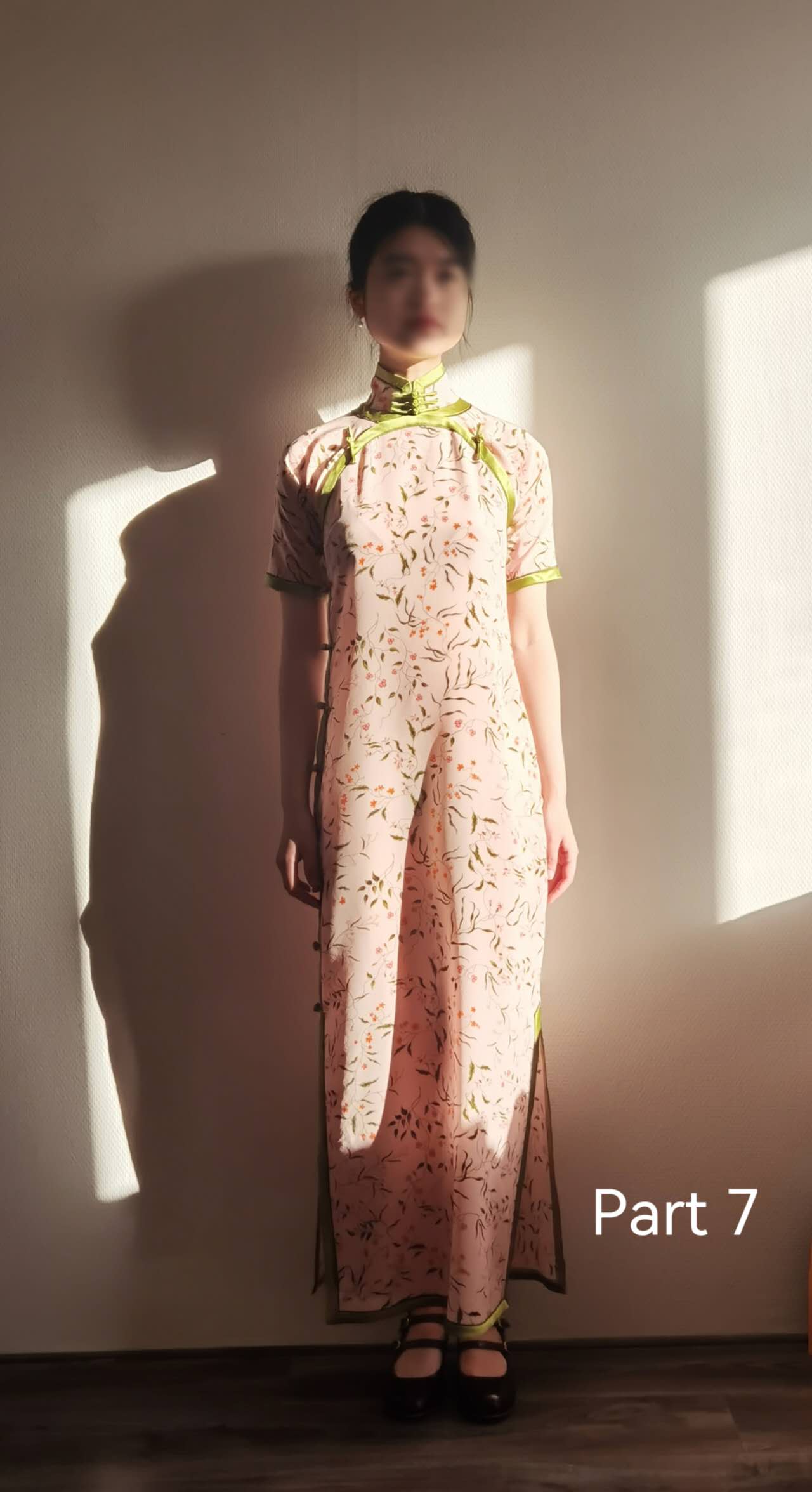
1930s Qipao: Part 7. Making and finishing
The front piece is longer than the back and curves out a little, which accommodate the bust. The aim of shaping in the bust area is to shrink the length of the side seam on the front piece so that it could match the side seam on the back piece and push the fabric from…
-
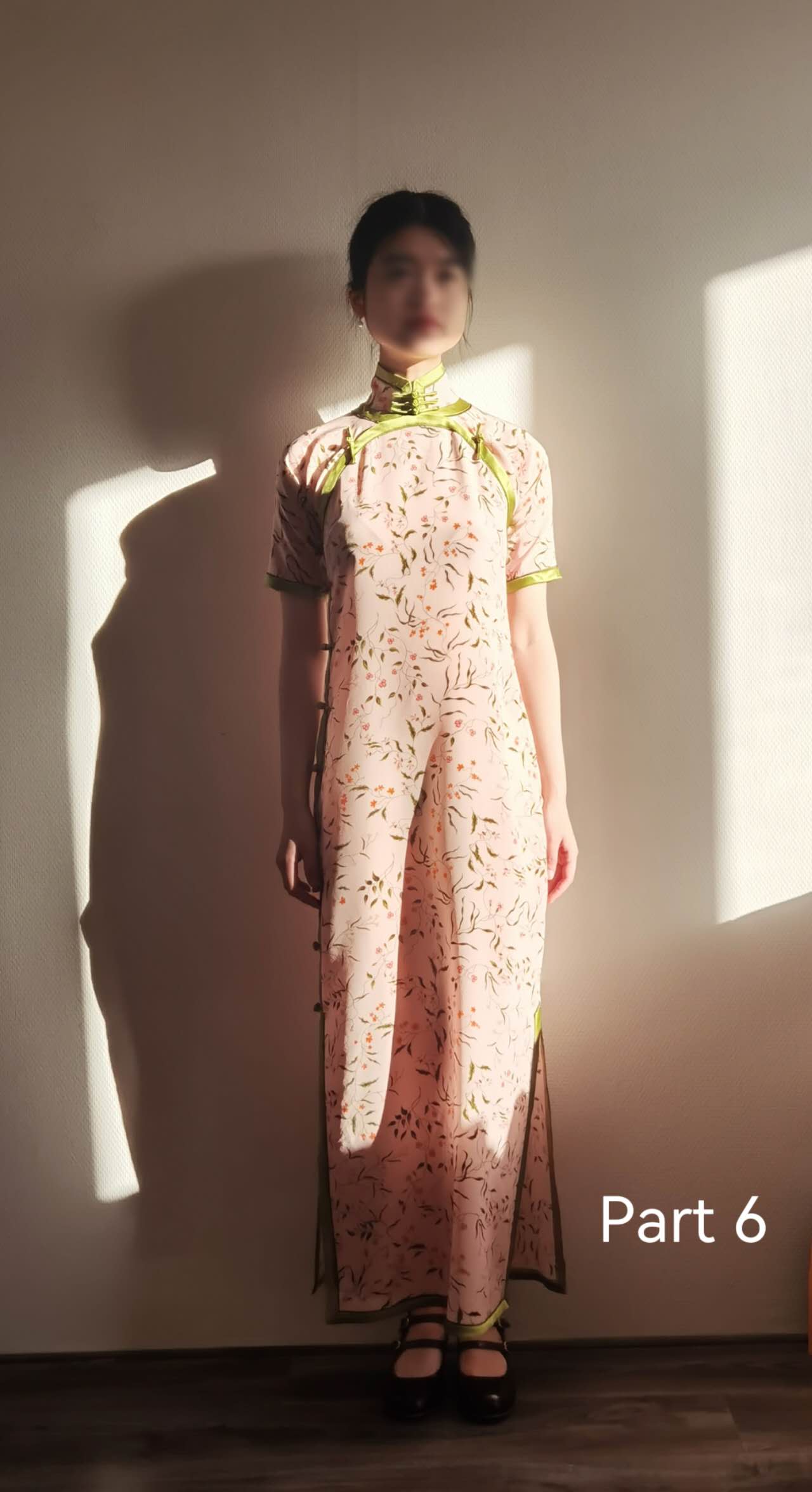
1930s Qipao: Part 6: Toile and fitting issues
For a first qipao, it is important to make a toile. Calico (also known as muslin in the US) works for the toile, but a viscose or cheap silk can be used to best estimate the effect of silk. Calico is stiffer than silk, and a slight tightness or bagginess at the underarm and chest…
-
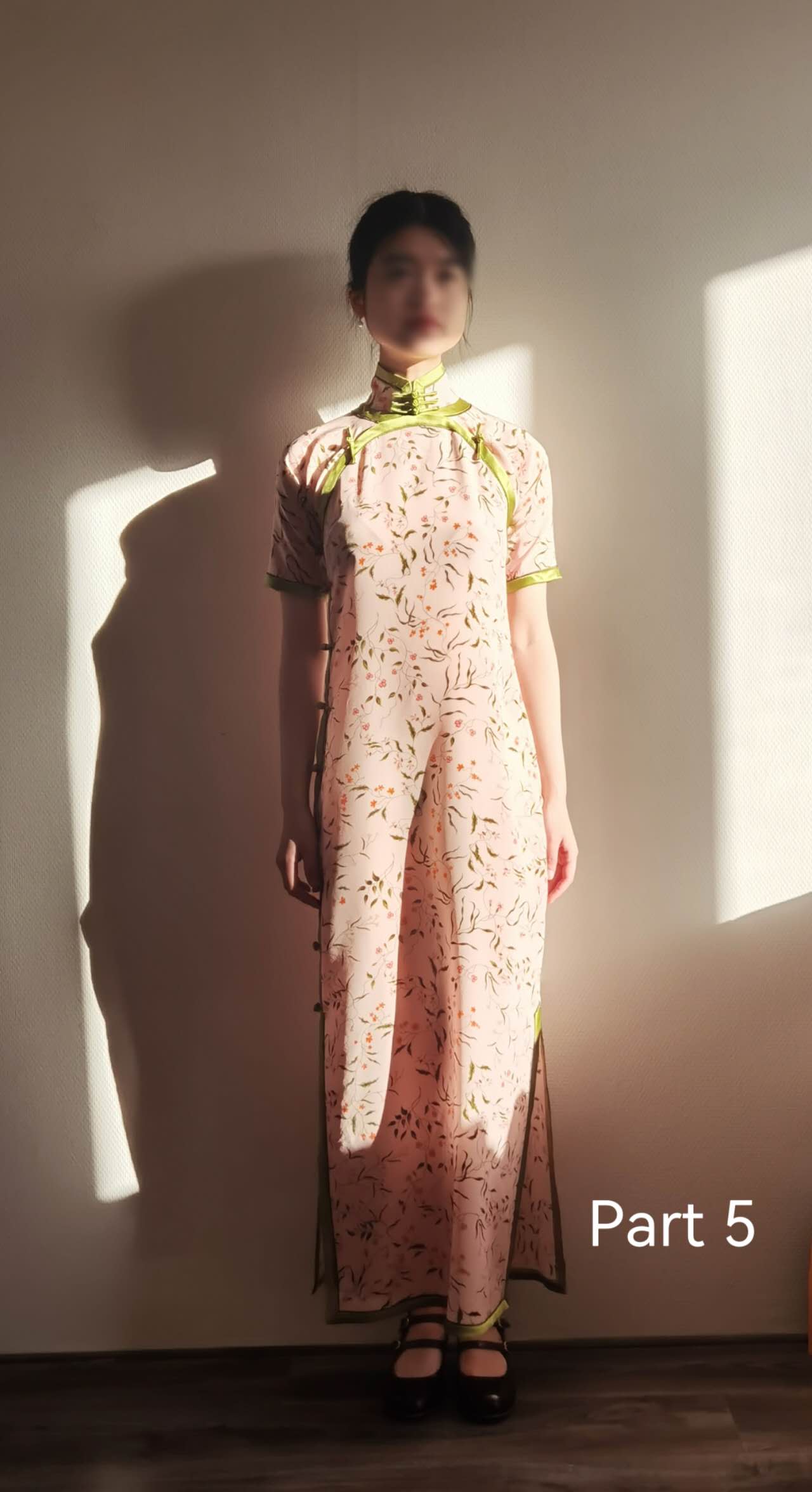
1930s Qipao: Part 5. Cutting out the pattern
Prewash and press all the fabrics you plan to use. Traditionally, the fabric is folded twice—vertically and horizontally—so that only a quarter of the whole pattern (e.g. front right) would be drawn onto the topmost layer. The folded fabric is also pulled, pinched and shaped with steam so that when it is cut, the piece…
-
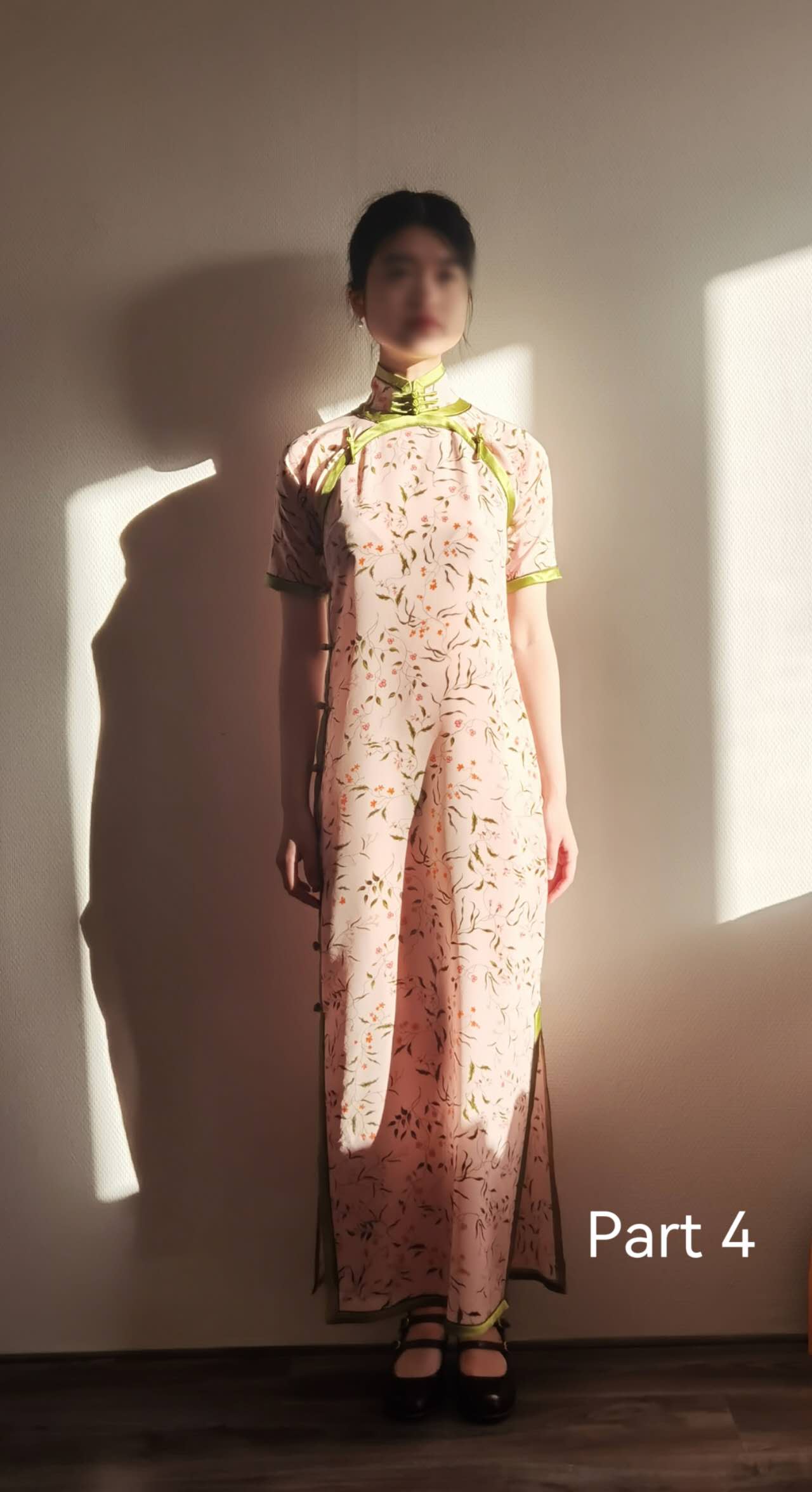
1930s Qipao: Part 4. Shaping
For a non-silk/wool fabric, you will need bust darts unless the wearer has a very small cup size. The back darts help eliminate drag lines (if any) and shape the back without using the stretching/shrinking method. You can also decide whether you want back darts later when you have finished the gown. Pin/glue/tape the dart…
-
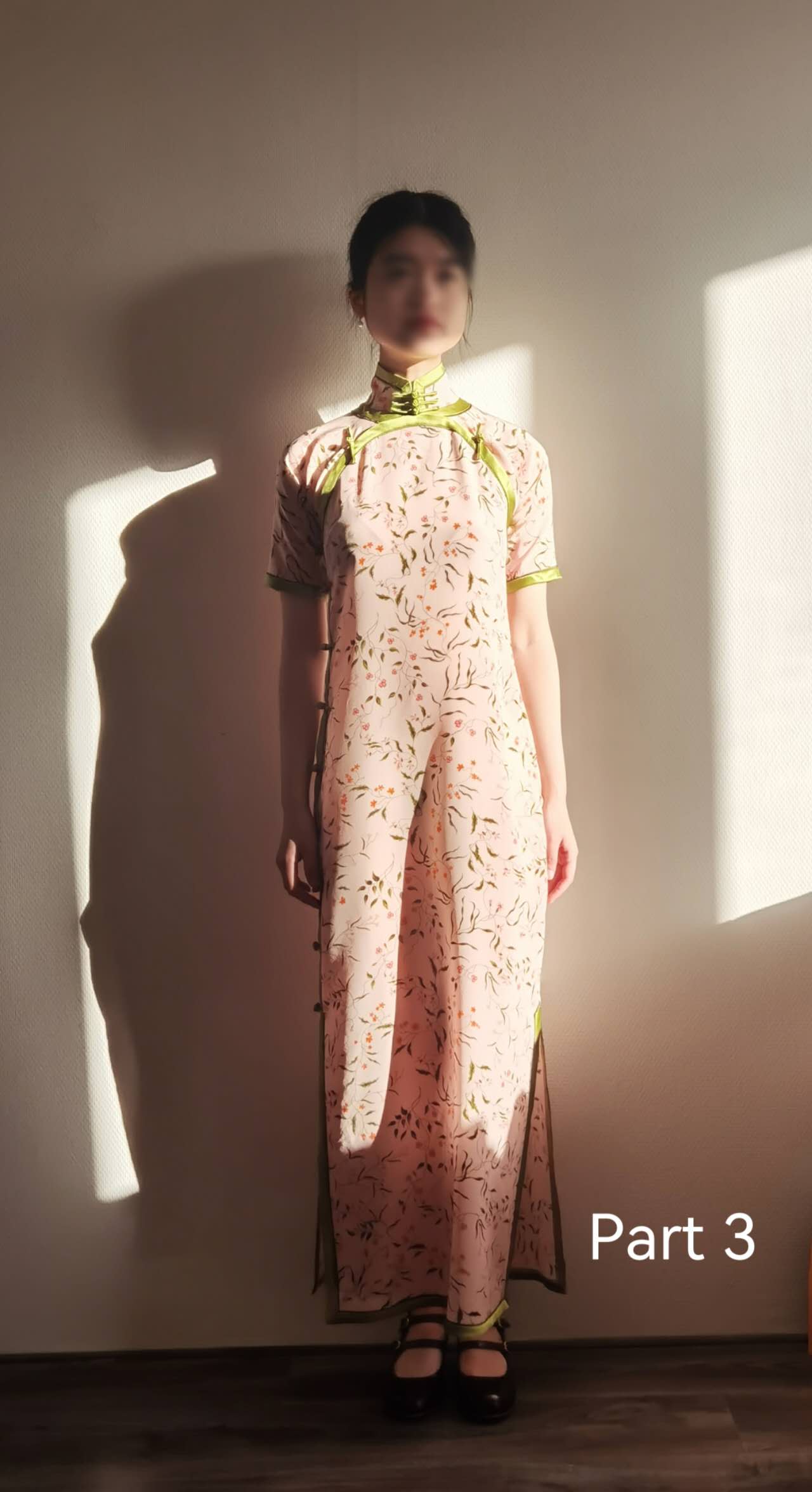
1930s Qipao: Part 3. Pattern-making
Despite the different types of neck openings, traditional ‘flat-cut’, dart-less qipaos use the same basic pattern. Here are the measurements to take: Horizontally: The positive ease for the bust circumferences can vary a lot. I prefer a snug fit so I start with 2cm. I’ve also seen a positive ease of 10cm that worked very…
-
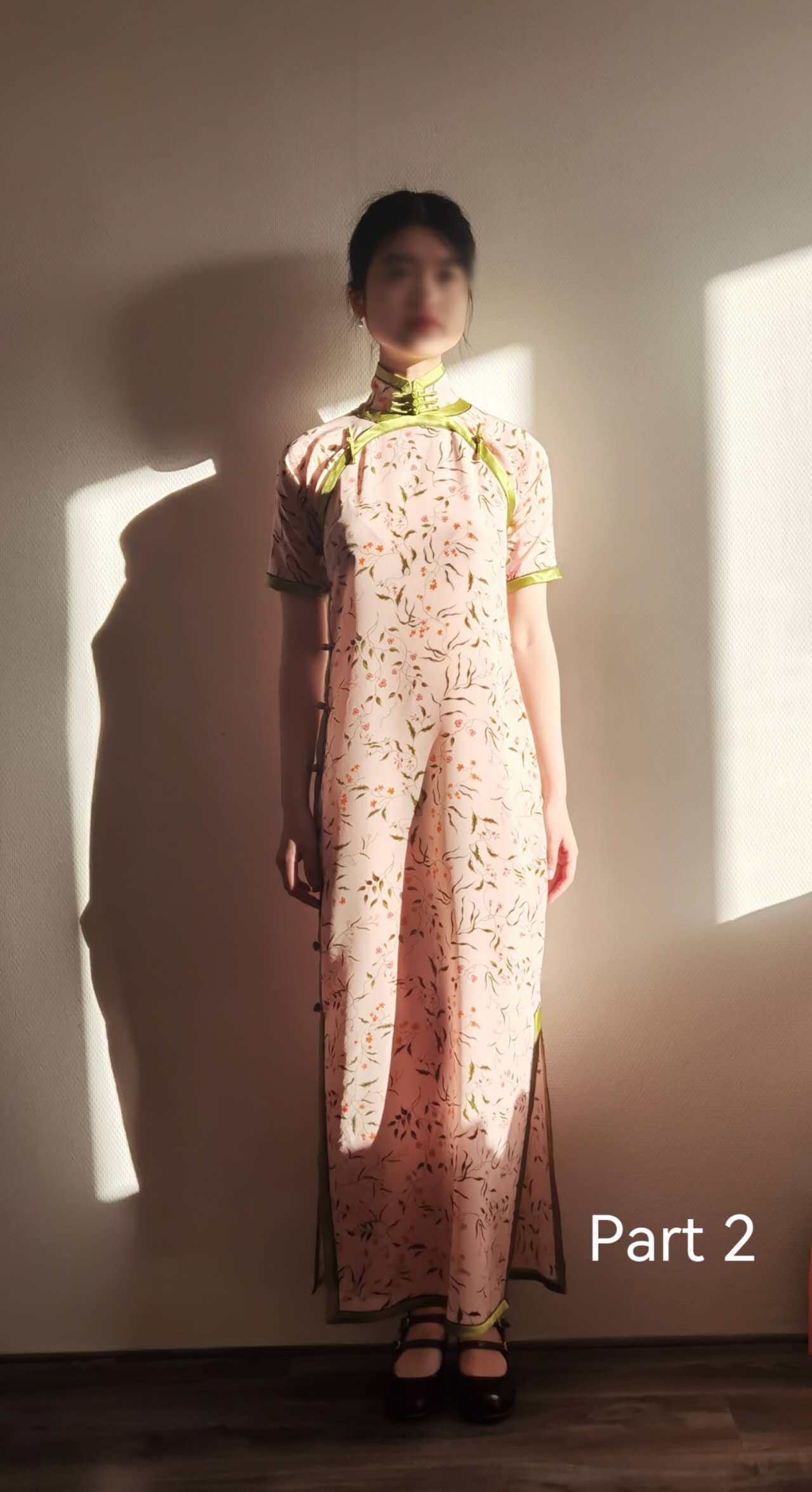
1930s Qipao: Part 2. Materials and tools
Most qipaos in museum collections are in silk, including satin, crepe, velvet, georgette and silks with woven patterns. Other natural materials were also used. Wool is one choice for colder weathers (other choices include quilted cotton and adding thicker linings). Cotton is more affordable and more suitable for everyday wear, even though cotton qipaos do…
-
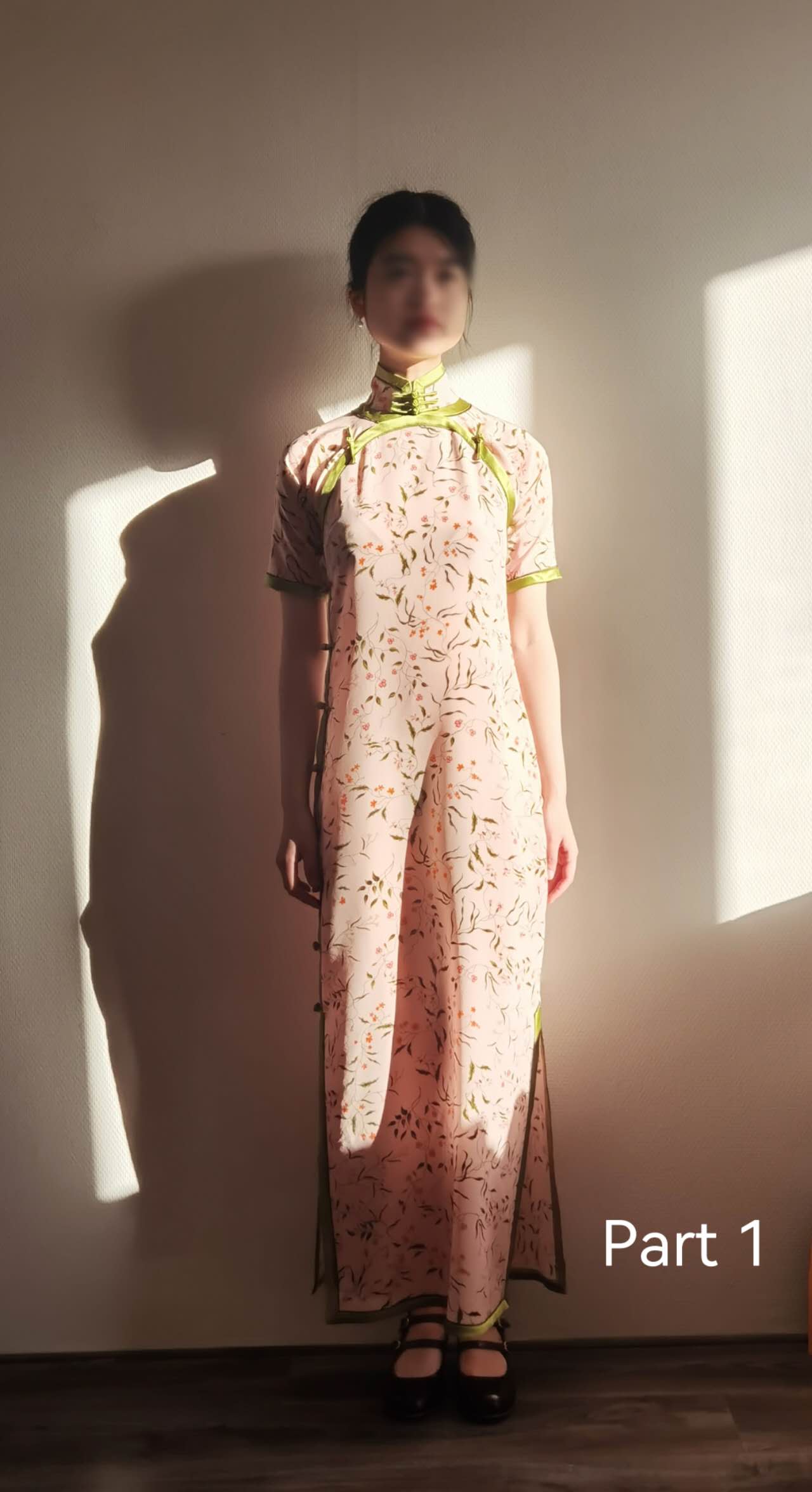
1930s Qipao: Part 1. Introduction
This is a long article, so to make it more manageable I will divide it into several installments and put a master-list here so you can jump to the sections (links will be added as I post): First, finished garment: Now to the main: Introduction Qipao, as it is known today in Chinese Mandarin, is…