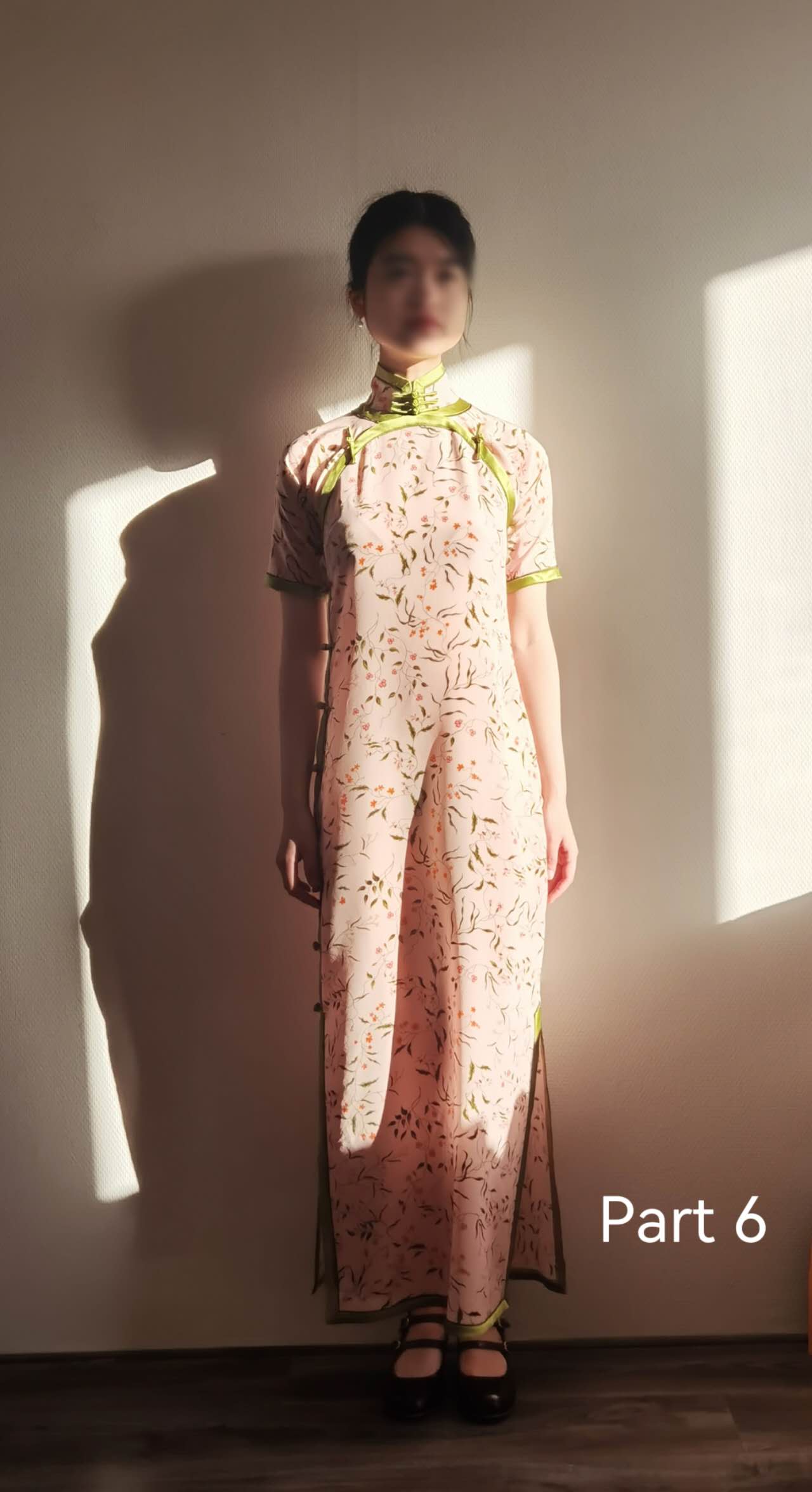
For a first qipao, it is important to make a toile. Calico (also known as muslin in the US) works for the toile, but a viscose or cheap silk can be used to best estimate the effect of silk. Calico is stiffer than silk, and a slight tightness or bagginess at the underarm and chest areas in a calico toile might not be felt in a silk qipao even if one uses the exact same pattern. I highly recommend making a mock standing collar, too.
Even for a qipao without shoulder seams, it would be more economical to cut the front and back separately and seam the shoulders for the toile. You would not need to slant the pattern if you are making a toile in this way, but you may wish to do a ‘test run’ for the slanting if you are going to be doing it for the actual dress.
Some common fitting issues
- Collar and neckline
The standing collar should fit as snugly as possible to your neck, though you should obviously be able to breathe in it! You might need a smaller neckline than you expect. Sometimes the neckline will be pulled wider by forces towards the underarms, so a very fitted neckline may not feel as tight when you try on an entire qipao.
Unlike a kimono collar, there should not be a gap between the collar and the back of the neck. If this occurs whilst the front of the collar fits fine, try reducing the depth of the neckline at CB so that the standing collar is not pulled down.
If the collar fits well at the base of the neck but gaps around the mid-section of your neck, the pattern needs to tilt up more.
Drag lines from the neckline downwards means the neckline is too deep, as the collar is pulling up the dress. Horizontal lines mean the neckline is not deep enough as the fabric pools.
- Underarm
It is expected that the fabric at the underarms will bunch together when your arms hang down, as this excess fabric allow you to raise and move your arms freely.
At the same time, there should not be too much wrinkling. You will need to experiment a little to determine where the excess fabric is from in the underarm area. If the drag lines go from the sides towards your chest or your neck, this might mean the upper-chest is too wide. It is normal to feel some tightness, as long as it is not uncomfortably so.
- Side slits
The side slits need to look closed when you are standing straight, which is generally achievable on an average body (fig. 8). Even through it becomes unnoticeable once the wearer is walking, open side slits are seen as unbecoming. The commonest reason for open slits is insufficient easing or darts at the bust and the hips, which pulls CF and/or CB upwards. If this is the case, the slits will close if you pinch away about 1cm at the sides, meaning that you should add this amount to the easing or bust darts.
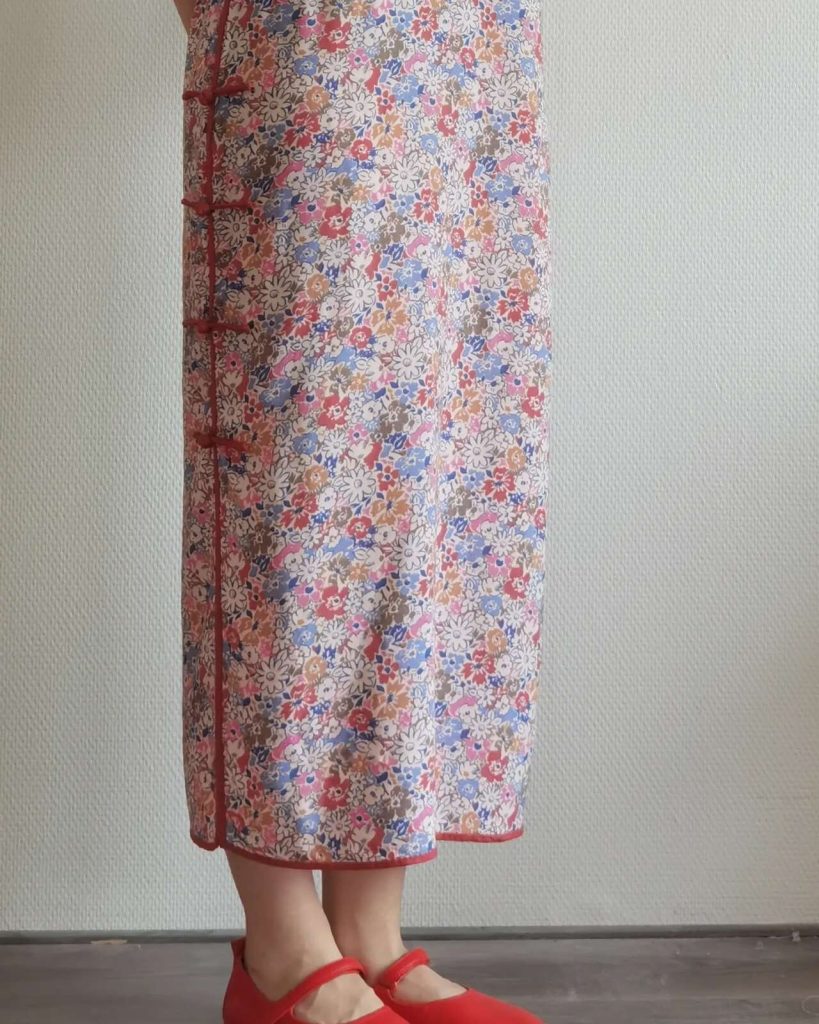
Figure 8. Side slit of another qipao I made.
- Bust and waist
It is normal to have some slight drag lines from the bust downwards and sidewards, especially if you are making a qipao without bust darts. It can be reduced with more easing or a larger bust dart.
- Back
If the fabric bunches up horizontally across the back of the waist, this means the back is too long compared to the front. Another possible reason is a tight hip measurement, which would pull the fabric upwards.
If there are drag lines from the side of the waist downwards to the CB, or there is simply a lot of excess fabric in the back, this might be caused by a large different between waist and hip measurements. I would consider adding back darts.
- Sleeve cuffs
If you feel that the sleeves are too loose or straying away from the arms, try reducing the cuff width from the underside or easing a little when you sew the binding.
Pattern adjustments can only do so much. Sometimes it is really easier to adjust the wearer’s posture than to adjust the pattern. For example, I have hyperextension and the side slits will close more easily when I avoid locking back my knees. Additionally, drag lines at the underarms will be inevitably more prominent on people with sloping shoulders. If I pull my shoulders up and back in a ‘shrug’ motion, some lines will go right away. This is not to say that sloping shoulders must be ‘corrected’—as they actually make the shoulder lines look smoother—just that people should be not too stressed about making everything ‘perfect’. Whilst we tailor the qipao to complement our bodies, there is no single ideal form!
Leave a Reply
You must be logged in to post a comment.